We hear it a lot.
"We only have 800 connections. We're probably too small for something like this."
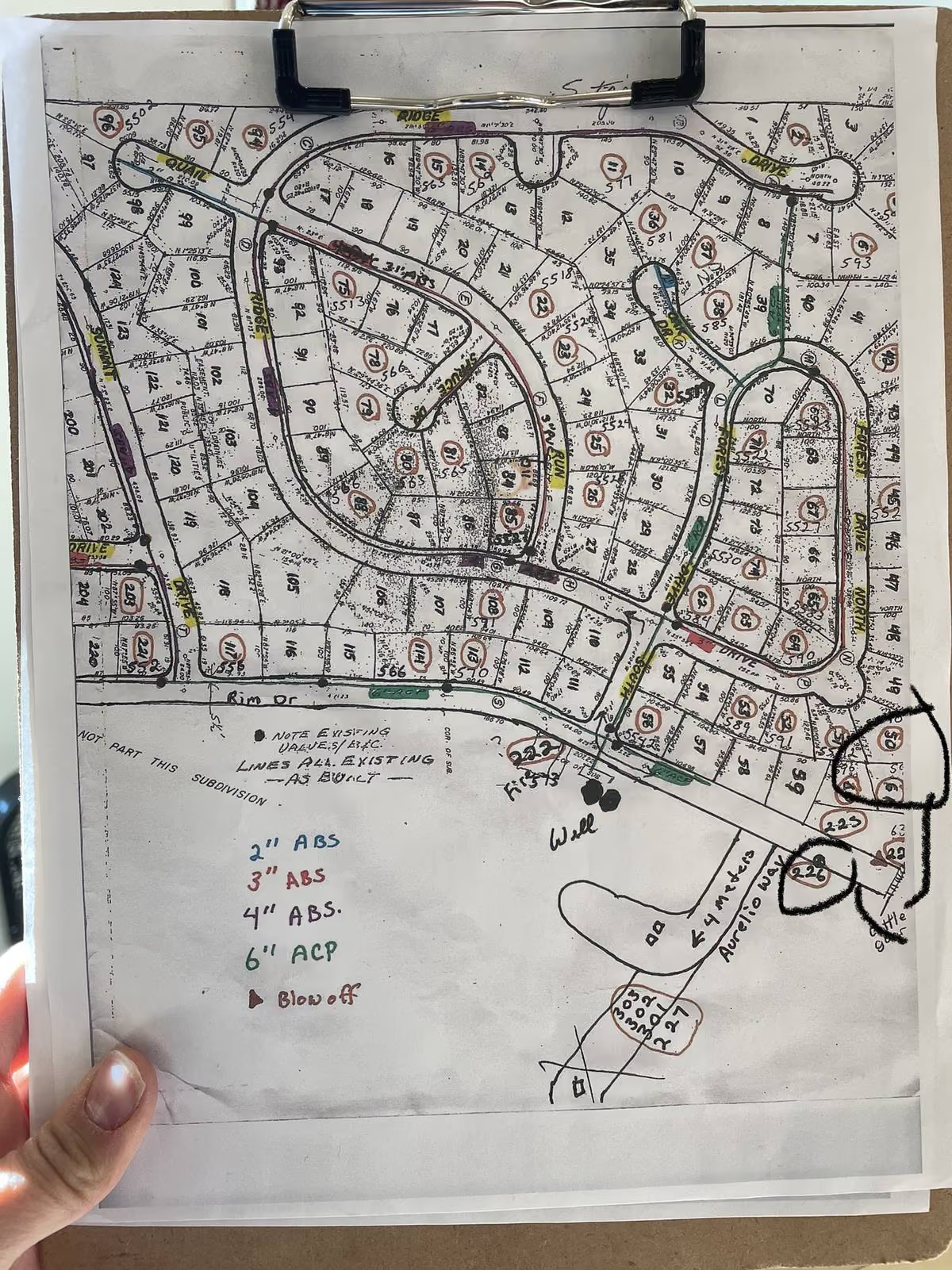
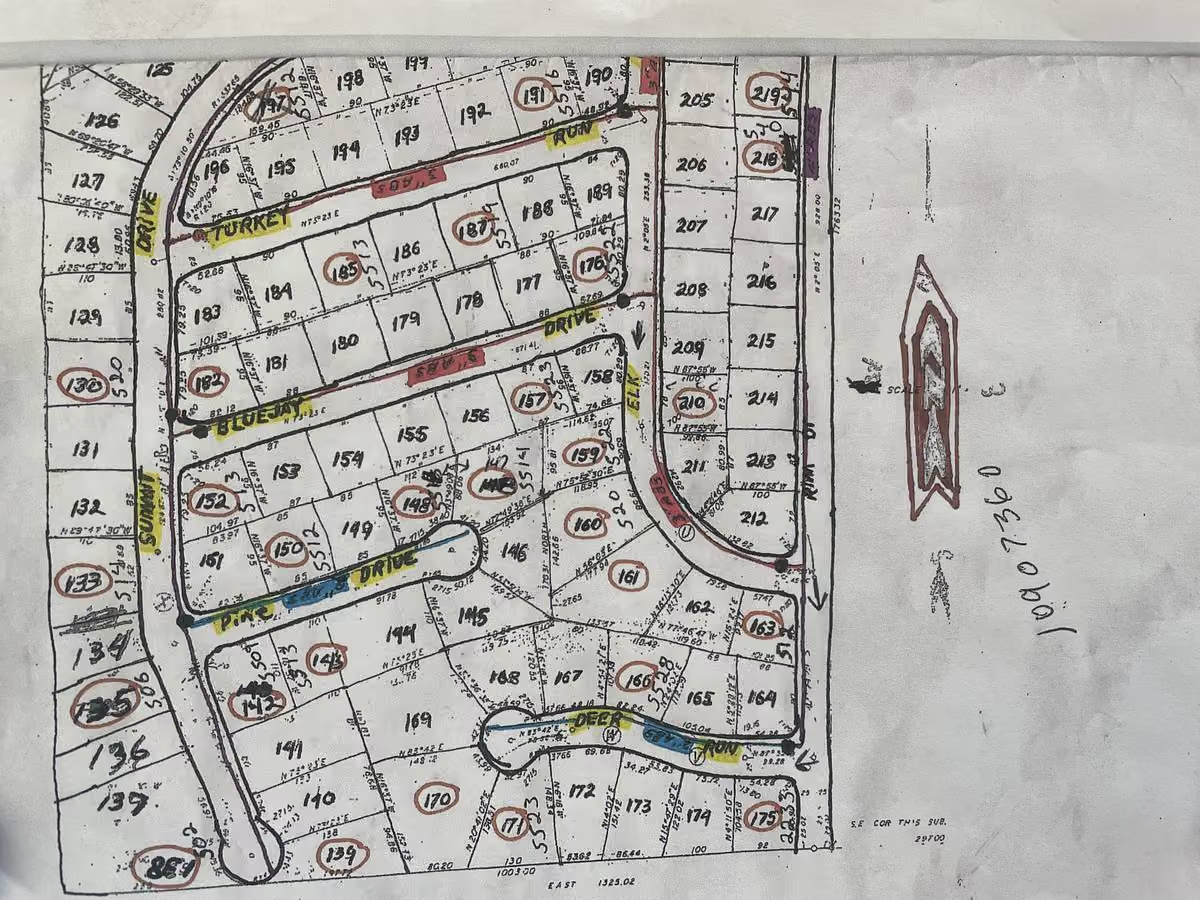
It's a fair thing to say. Most systems your size have never used anything besides billing software, and the water's been running fine. Paper maps, a truck notebook, and the one or two people who know where everything is have kept things going for decades.
But here's what keeps showing up in the data, and it matches what we see in the field: the smaller the system, the harder it hits when something goes wrong. Not because small systems are run poorly. Because there's no margin. No backup plan. No second person who knows.
Why the same rulebook costs a ninety-connection district so much more per customer is on why small water systems fail.
You're not an edge case
Ninety-two percent of public water systems in the U.S. serve fewer than 10,000 people. More than half serve populations under 500. There are roughly 44,000 small community water systems in this country. That's not a category. That's the overwhelming majority of water infrastructure in America.
But here's the number that matters: small systems account for 86% of Safe Drinking Water Act compliance violations, and 81% of the health-related ones. In 2022, 43% of community water systems violated at least one SDWA standard.
Those aren't numbers about incompetence. They're numbers about staffing. A 5,000-connection system has a compliance person. A 600-connection system has an operator who's also the compliance person, and also reads the meters, and also fixes the pumps, and also answers the phone when the state calls. The regulatory burden is the same regardless of size. The person carrying it is not.
Three things that hit small systems hardest
Your best person leaves, and the knowledge goes with them
EPA projects that a third of the water workforce will be eligible for retirement within the next decade. At a large utility, when the senior operator retires, there's a team to absorb what he knew. At a 600-connection system, that operator might be the only person who knows where the mains cross, which valves don't fully close, and what got replaced after the freeze in 2014. All of that is in his head, his truck notebook, and a filing cabinet in the back office.
When he leaves, the next person starts from scratch.
An operator in Winslow, Indiana was dealing with exactly this. When they started using Ziptility, every valve the crew touched, every note they logged, every photo they took, it stayed. The new guy showed up and had a year and a half of records on his phone instead of a blank notebook. The knowledge survived the retirement because it wasn't in one person's head anymore.
Something breaks at 2 AM, and the person who knows isn't available
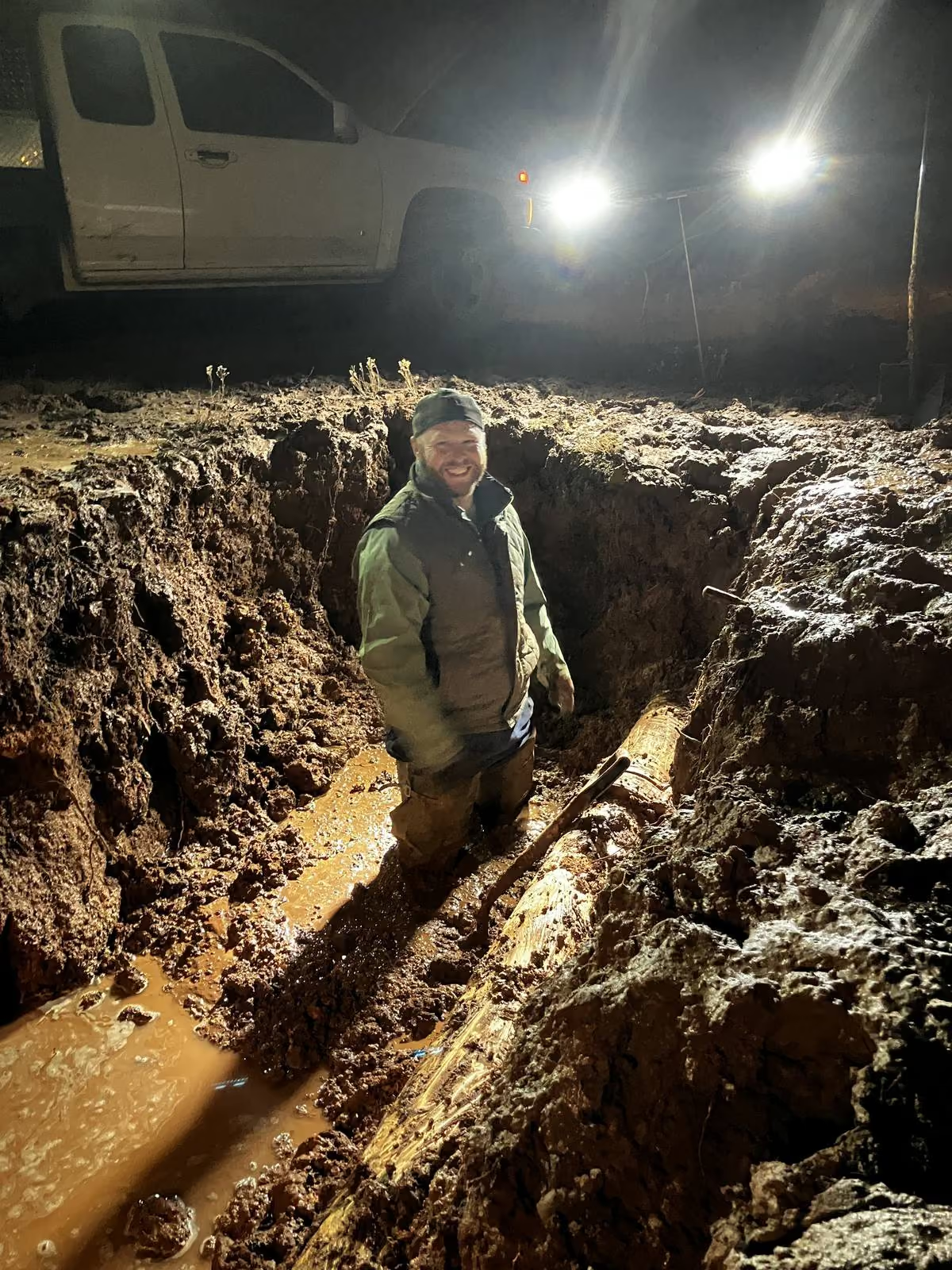
Main break on a Sunday night. The person on call hasn't been on the job long. He doesn't know this part of the system, doesn't know where the 6-inch main crosses under Oak Street, doesn't know that the valve on the corner hasn't worked right since 2018.
At a large system, that information is mapped. At a small one, it's in the head of the person who isn't answering the phone.
In Lafourche Parish, Louisiana, a rural system covering a lot of ground, the crew said the change was about time. Being able to see the whole system on one screen and assign work from the map saved them hours every week. At a small system where every hour counts, those aren't efficiency gains. That's the difference between resolving an emergency and watching it get worse while you drive to the office to check a paper map.
The state calls, and you need records you don't have
The America's Water Infrastructure Act of 2018 now requires every state to include asset management in their capacity development strategies. Lead and Copper Rule revisions are hitting. PFAS regulations are coming. And every SRF or USDA loan application your system submits increasingly requires documented asset records, maintenance history, and a capital improvement plan.
That's the same documentation requirement whether you have 500 connections or 50,000. The 50,000-connection utility has a compliance officer. You're filling out those forms after a full day in the field.
A utility in central Indiana, Cordry-Sweetwater, about 1,370 connections, got ahead of their Lead and Copper Rule deadline because the records were already there. Their operations director said it was a no-brainer to use the records they'd been building. The digital forms were simple enough that every person on staff could contribute, not just one person carrying the whole load.
What Monday looks like when it's working
Here's what's different at a small system that's been tracking things for six months.
Monday morning. The operator opens the app and sees three routine tasks and a follow-up from last week's leak repair. He assigns them from his phone before the other guy even gets to the shop. They pull up the map in the truck, see exactly where they're going and what's been done there before, and start.
End of the day, every task is logged. Photos attached. Notes saved. Nobody drove back to the office to write something down. Nobody tried to remember on Friday what happened on Tuesday.
The board meeting at the end of the month goes different too. Instead of walking in and trying to explain what happened from memory, the operator's got a report, every work order completed, every asset serviced, every dollar spent on what. Over time, the board stops asking "what does the crew do?" and starts asking "what do we need to budget for next year?" That's a different conversation.
What this means
RCAP, the Rural Community Assistance Partnership, the nonprofit that provides free technical assistance to small systems, published an asset management guide in 2024. Their advice to small systems: start with what you have. You don't need a consultant. You don't need an engineering firm. Start with an inventory, document condition and work as you encounter it, and build from there.
That's not our sales pitch. That's the federal technical assistance provider telling systems your size to do exactly what we make possible.
The question was never whether you're too small. Forty-four thousand systems your size say otherwise. The question is whether you can keep depending on things that don't leave the office, don't survive a retirement, and don't produce a report when the state or the board asks for one.
Your system is small. That doesn't mean your tools should be. Book a demo, see how it works, or check what it costs for your system.